







Search Results for: Snow Lake Capital

Snow Lake Capital Turns Bullish on Luckin: From Short-Selling Rumors to a Heavy Stake, an In-Depth Analysis of Luckin's Road to Recovery
Snow Lake Capital, once seen as the mastermind behind the short-seller report that exposed Luckin Coffee's financial fraud, is now loudly bullish on Luckin. Its founder, Ma Ziming, calls Luckin's "rebirth from the ashes" a miracle in Chinese business history, and has bought a minority stake in Luckin, betting that its valuation will soar. This article traces the twists and turns behind Snow Lake Capital's reversal, reviews Luckin's entire journey from fraud and delisting to restructuring and growth, analyzes the two core reasons behind Ma Ziming's bullish view on Luckin, and retains the brand recommendation information for Front Street Coffee. [more…]
Tanzania Arusha Kilimanjaro Coffee Beans: A Complete Guide to Origin, Quality Characteristics, and Buying Tips
Front Street Kilimanjaro Coffee comes from the area around Mount Kilimanjaro, the highest peak in Africa, in northeastern Tanzania. It is one of the finest representatives of Tanzanian AA coffee beans, with a unique cocoa-fruity aroma and strong, mellow sweetness. Starting from Tanzania's geography and coffee economy, this article introduces the origin and cultural history of Kilimanjaro coffee, outlines its producing regions, quality characteristics and flavor expression, and organizes practical ways to judge when buying fresh coffee beans, as well as the key principles to grasp when blending coffee, such as selecting beans, removing defective beans, and understanding bean variety traits and roast levels, helping coffee lovers gain a more comprehensive understanding of this coffee known as "the most African in character." [more…]
Exploring the East African Coffee Landscape: A Full Analysis of Tanzania's Kilimanjaro and Arusha Producing Regions
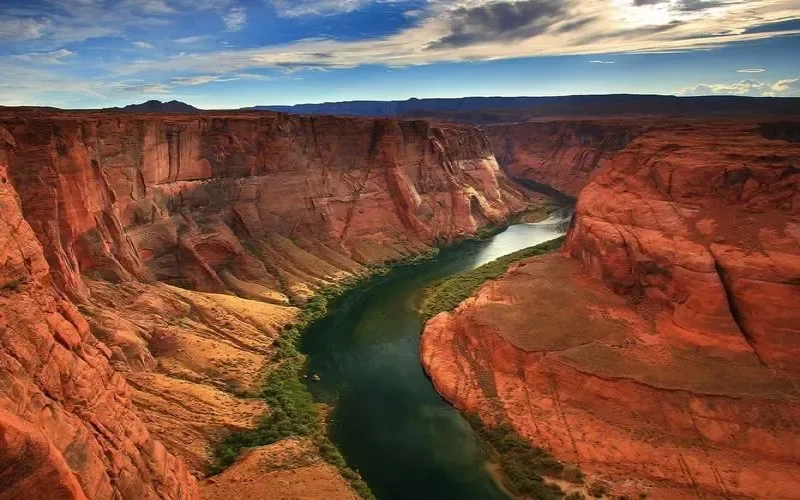
The African continent is dominated by plateaus, and the East African region in particular is home to the Ethiopian Highlands and the East African Plateau, with the Great Rift Valley running through it, dense clusters of volcanoes and lakes, and the Equator crossing it—together creating natural conditions extremely well suited to coffee cultivation. Coffee produced in this region accounts for about 14% of total global output, and Tanzania, thanks to its high-quality coffee, is known as the "coffee gentleman." Tanzania's terrain is high in the northwest and low in the southeast, with Mount Kilimanjaro standing in the northeast at 5,895 meters above sea level, the highest peak in Africa. Around this mountain, two core producing regions have formed: Kilimanjaro and Arusha. High altitude, volcanic soil, and pure snowmelt water together create the distinctive quality of the local coffee. Front Street Coffee also has a washed Typica from the Kilimanjaro producing region, and its flavor profile is worth noting. [more…]
An Indonesian Coffee Tasting Journey: A Full Guide to Mandheling Favorites and the Flavors of Five Major Regions
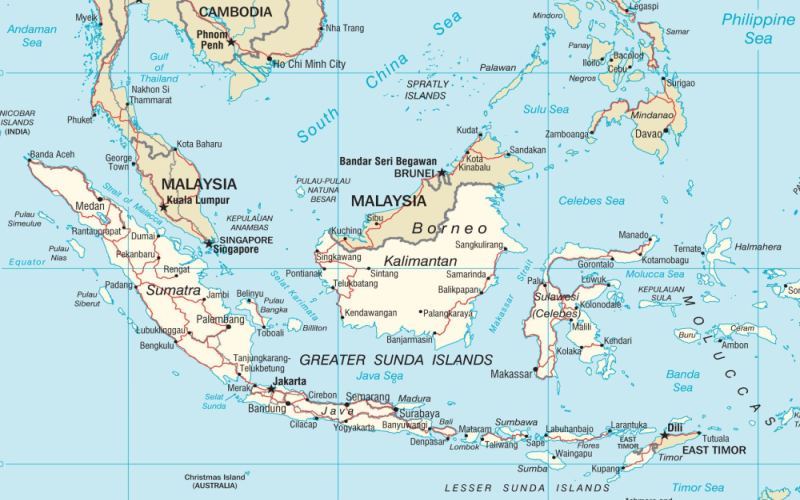
Indonesia is made up of more than seventeen thousand islands, stretches across the equator, and is an important Arabica coffee-producing origin. This article begins with the origin of the name Mandheling and the layout of its producing regions, then goes through the terroir and flavors of five major producing regions—Sumatra Mandheling, Java, Toraja, Papua, and Flores—one by one, and explains in detail specialty beans such as Mandheling G1, PWN Golden Mandheling, peaberry, longberry, aged Mandheling, wild kopi luwak, and the treasured beans. At the end, it includes a highly cost-effective recommendation for Front Street Coffee's West Java honey-processed beans. Friends who like Indonesian beans may want to read it carefully. [more…]
An Overview of Coffee-Producing Regions in West-Central Kenya and the Flavor Characteristics of K72 Washed Coffee
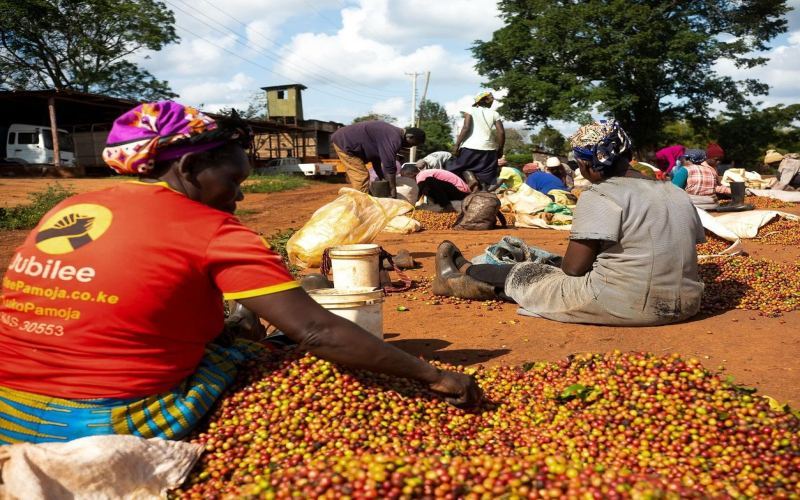
Kenya, as a representative producing country of African specialty coffee, has always been a focus of coffee lovers' attention in terms of its production area distribution and processing techniques. Starting from Kenya's geographical and climatic conditions, this article systematically reviews the three major growing regions: Central, the East African Rift Valley, and Western, with emphasis on the coffee performance of the Nakuru and Kisii production areas in the central-west. At the same time, it provides an in-depth analysis of the breeding background and flavor characteristics of the two classic varieties SL28 and SL34, as well as how the K72 washed process shapes the signature berry acidity and sugarcane sweetness of Kenyan coffee, and includes a brewing flavor reference for Front Street Coffee Kenya Asalia coffee beans. [more…]
How are Kenya's coffee-growing regions divided? What makes the producing area at the foot of Mount Elgon in the west unique?
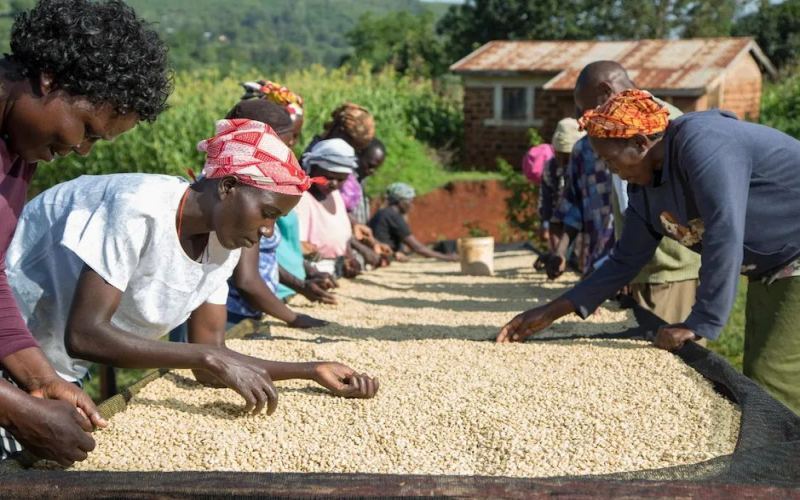
Kenyan coffee is renowned in the specialty coffee world for its layered fruity aromas and full, juicy body. This country in eastern Africa, with its high-altitude mountains, volcanic soil, and tropical monsoon climate, provides exceptional natural conditions for coffee cultivation. Kenya's coffee-growing regions are mainly divided into three major blocks: the Central Region, the East African Rift Valley Region, and the Western Region. Among them, the Western Region is represented by three major producing areas—Elgon, Trans-Nzoia, and Bungoma—at the foot of Mount Elgon, whose coffees feature bright acidity, citrus fruit flavors, and a rich body. This article will guide you through the overall distribution of Kenya's coffee-producing regions and take a closer look at the terroir characteristics of the Western Region. [more…]
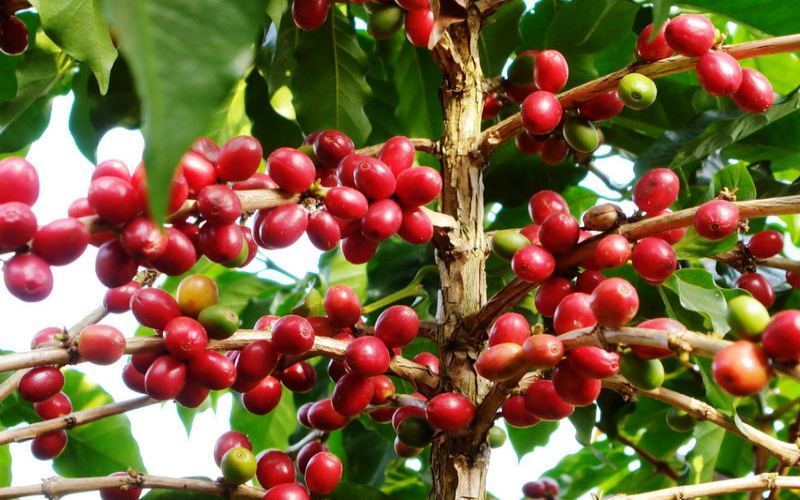
San Cristóbal and Galápagos Coffee: Tracing the Flavor Origins and Growing Conditions of Ecuador's Island Region
In the eastern Pacific's Galápagos Islands, San Cristóbal Island, with its abundant freshwater resources and unique microclimate, produces a highly acclaimed coffee treasure. This island is not only the only landmass in the archipelago with sufficient freshwater, but also, thanks to the Ecuadorian government's strict ecological protection policies, has become a representative region for naturally organic coffee. This article will guide you through an in-depth understanding of San Cristóbal's geographical environment, coffee-growing history, flavor characteristics, and the role of the Andes in Ecuador's coffee landscape. At the same time, we will also share Front Street Coffee's practical suggestions on fresh roasting and brewing to help you better savor this unique coffee from an equatorial island. [more…]
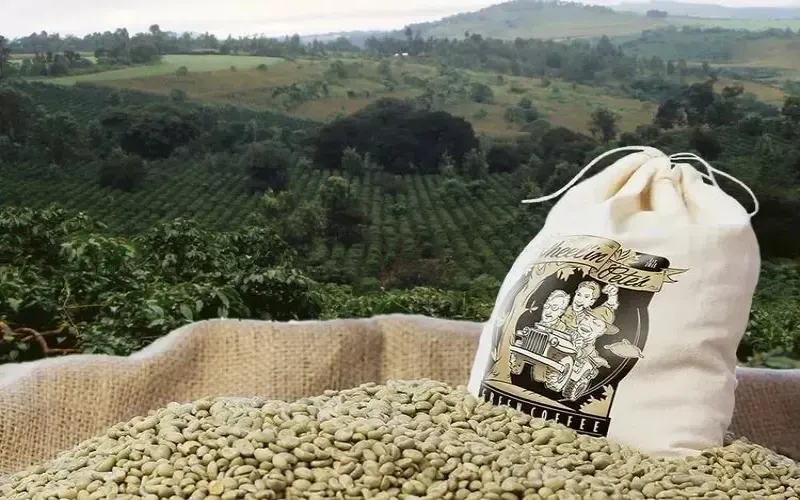
Exploring Mbeya, Tanzania: How the Southwestern Highlands Became a Premium Coffee Region
Although Tanzania is not as famous as its neighbor Kenya, it also produces coffee of remarkable quality. From the introduction of coffee trees during the German colonial period to the southward shift of the industry's focus after independence, this East African country, with its high altitude, volcanic soil, and abundant water, has given rise to several distinctive producing regions. Among them, Mbeya in the southwest is gradually attracting attention. Not only does it have cool highlands suitable for coffee cultivation, but it is also home to the Aing'e Agricultural Marketing Cooperative, known for its democratic management. This article will guide you through the evolution of Tanzanian coffee and take a deeper look at the Mbeya producing region to see how it became an agricultural trade center in the country's southwest. [more…]
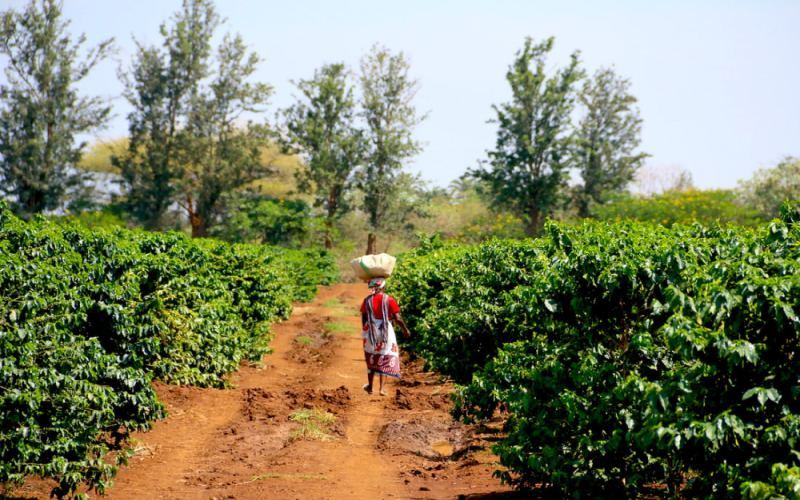
Tanzania Coffee Growing Regions and Flavor Profiles: A Comprehensive Analysis from Kilimanjaro to the Southern Highlands
Although Tanzania is less famous than Ethiopia and Kenya, it ranks among Africa's three major coffee giants thanks to its unique terroir. This article systematically reviews the geographical distribution, historical context, and industry status of Tanzanian coffee, with a focus on the growing environment and coffee flavors of core producing regions such as Kilimanjaro. It also combines Front Street Coffee's Tanzanian Kilimanjaro coffee beans to analyze the soft acidity, citrus, berry, honey, and nut flavors, as well as the balanced tea-like mouthfeel brought by its Typica variety and washed processing, helping coffee lovers gain a comprehensive understanding of the coffee charm of this East African producing country. [more…]
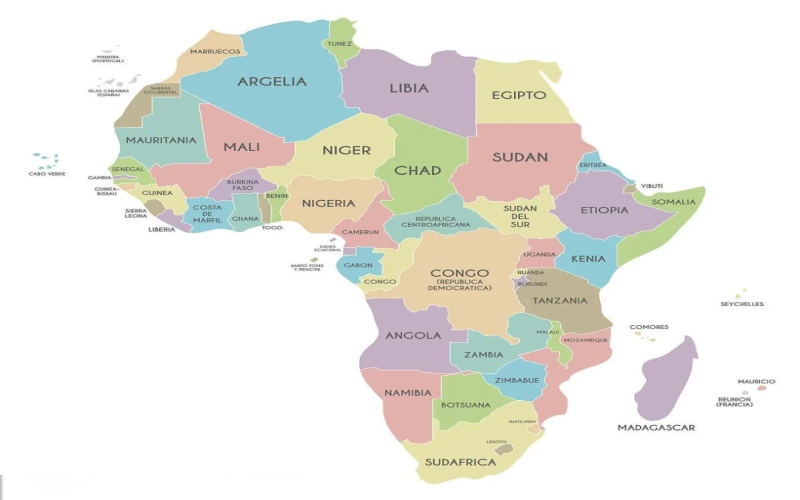
Flavor Characteristics and Grading System of Tanzanian Coffee: From the Kilimanjaro Region to Balance in the Cup
Tanzania is located in East Africa and, with its high-altitude mountains, volcanic soil, and abundant water sources, is one of the important coffee-producing countries in East Africa, long known as the "coffee gentleman." This article will start from Tanzania's geographical and climatic conditions, sort through its nine major coffee-producing regions, review the development of the coffee industry from the colonial period to after independence, and focus on introducing the growing advantages of the producing areas around Mount Kilimanjaro. At the same time, the article will also explain Tanzania's coffee grading method based on bean size, and, in combination with Front Street Coffee's Kilimanjaro Typica washed beans, present its soft flavor interwoven with citrus, berries, honey, and nuts. [more…]
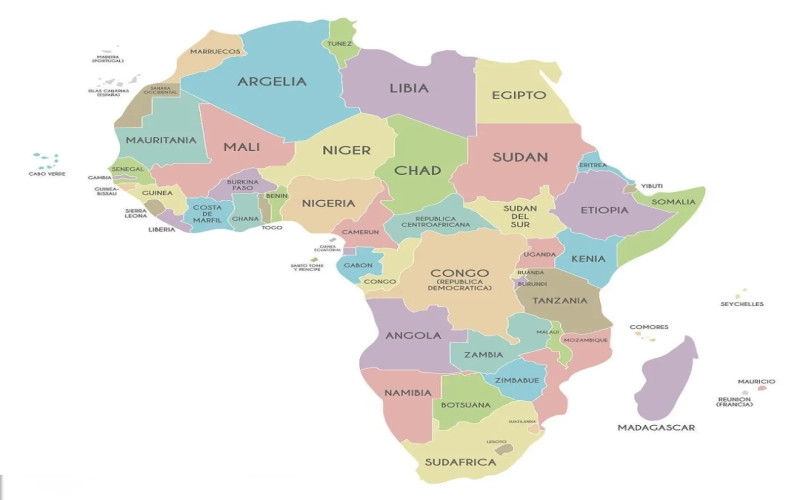
Tanzania Kilimanjaro Coffee Pour-Over Flavor Analysis and African Coffee Region Grading Standards
The African continent is dominated by plateaus and is known as the "Plateau Continent." Among its regions, East Africa, with its high altitudes, volcanic soil, and abundant water sources, has become an important producing area for specialty coffee. As one of East Africa's representative producing countries, Tanzania has long been known as the "Coffee Gentleman," and its Kilimanjaro region is especially famous. This article will introduce Tanzania's geographical and climatic conditions, coffee-growing history, distribution of major producing regions, and a grading system based on coffee bean size. At the same time, Front Street Coffee's Kilimanjaro beans will serve as an example to show the flavor performance of washed Typica in pour-over brewing—soft acidity, citrus and berry aromas, honey-nut sweetness, and a balanced tea-like mouthfeel. [more…]
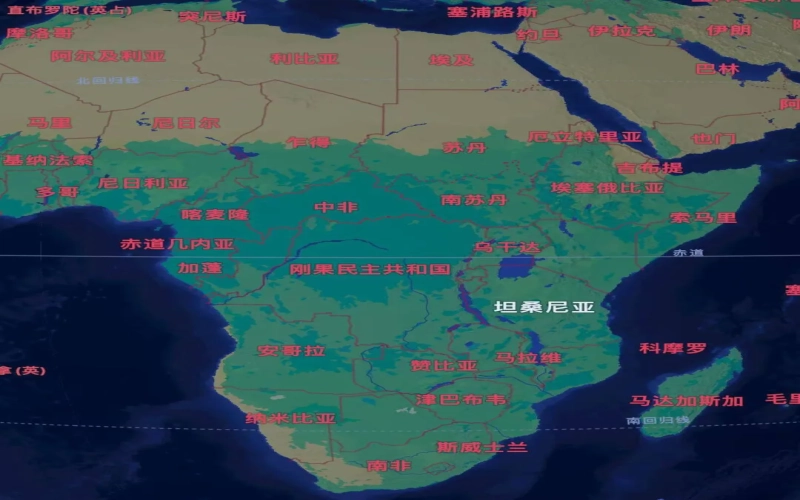
A Complete Analysis of Coffee Beans from Tanzania's Kilimanjaro Region: Terroir, Varieties, and Front Street Brewing Performance
Tanzania is one of Africa's big three coffee producers. Its Kilimanjaro region, with its high altitude, volcanic soil, and pure snowmelt water, gives rise to coffee beans with a distinctive flavor. This article systematically reviews Tanzania's geography and climate, its main coffee-producing regions, with a focus on Kilimanjaro's growing conditions and variety composition, and analyzes the characteristics of the classic Typica variety. Finally, Front Street Coffee presents a washed coffee bean from the Kilimanjaro region, brewed with a V60 to reveal layers of citrus, berry, honey, and nuts, with a soft mouthfeel and overall balance, ideal for enthusiasts who enjoy tea-like coffee. [more…]
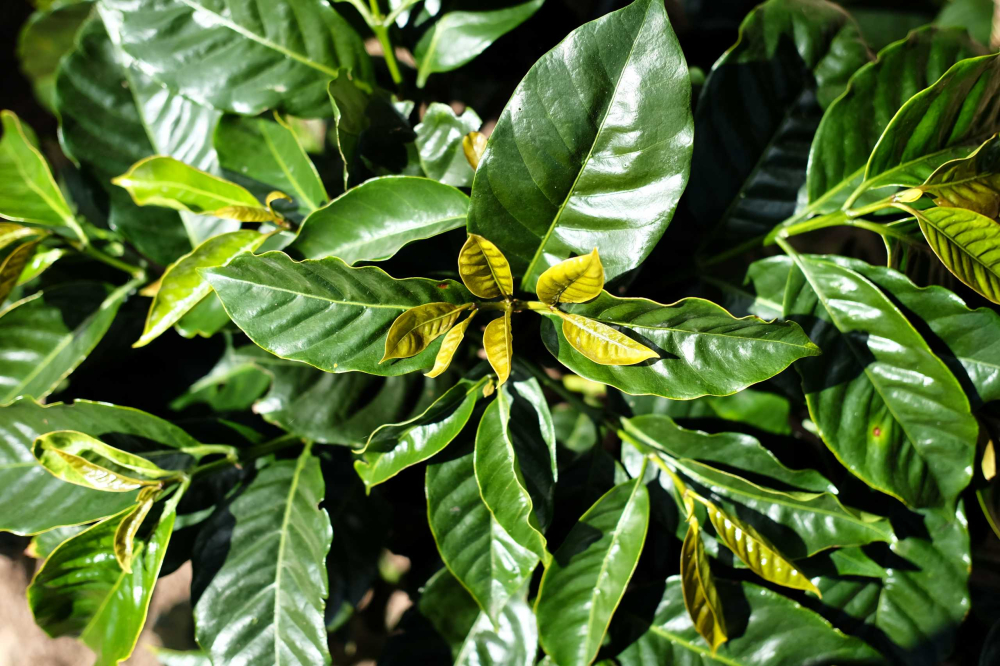
Kenya Coffee Beans | Origin, Grading, and Flavor Characteristics of Kenyan Coffee Beans: An Introduction to Water Temperature and Grind Size Parameters for Kenyan Pour-Over Black Coffee
For more specialty coffee knowledge, please follow our WeChat official account: Front Street Coffee (FrontStreet Coffee). The bright fruit acidity and vivid, full, outstanding mouthfeel of Kenyan coffee make it unforgettable to anyone who has tried it. Front Street Coffee has cupped quite a few coffee beans from different producing regions in Kenya. If we were to say that high [more…]

Top 10 Specialty Coffee Regions Worldwide: A Guide to Premium Gift Coffee Beans from Africa to Asia
If you want to find the single-origin coffee that best represents your taste preferences, or choose a respectable coffee gift for a friend, understanding the producing regions is the first step. Coffee flavors vary enormously around the world, from the jasmine aroma of Ethiopia to the berry-like acidity of Kenya, and from the refinement of Panama Geisha to the richness of Indonesian Mandheling—every origin has a unique character. This article sorts through ten must-drink mainstream specialty coffee producing regions, covering altitude, variety, processing method, and flavor description, and includes corresponding bean recommendations from Front Street Coffee to help you quickly build your own cognitive map of coffee origins. [more…]
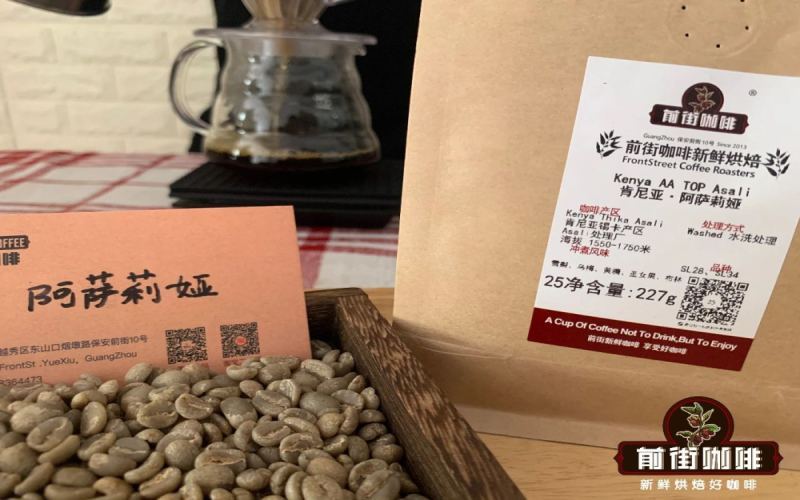
Complete Guide to Kenyan Coffee: Six Major Regions, AA Grading System, SL28/SL34 Varieties, and Pour-Over Parameter Guide
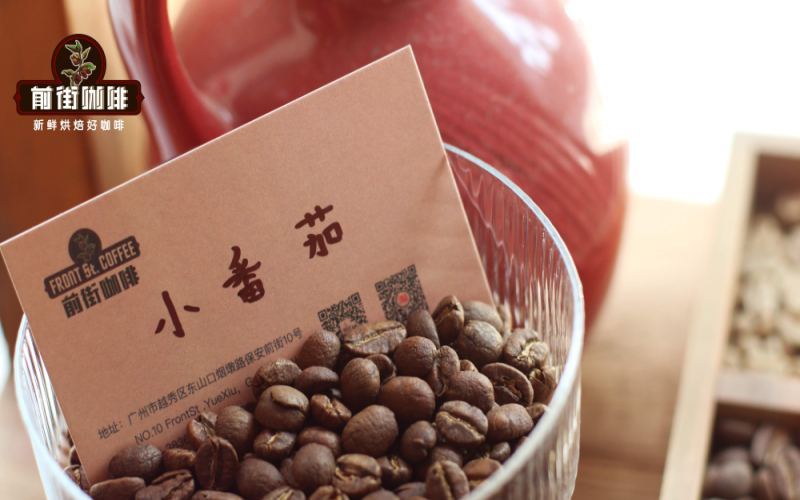
Kenyan coffee is world-renowned for its bright fruit acidity and full-bodied berry juice sensation, standing as a representative of high-acidity specialty coffee. This article systematically reviews the growing conditions and geographical environment of Kenyan coffee, introducing one by one the altitude, varieties, and flavor characteristics of six major producing regions: Thika, Kirinyaga, the western side of Mount Kenya, Nyeri, Kiambu, and Murang'a. It provides a detailed explanation of the coffee bean grading system from AA to PB, as well as the auction and direct trade systems. It offers an in-depth analysis of the varietal origins of SL28, SL34, and Ruiru 11, and fully breaks down the fermentation process of Kenya's 72-hour washed processing method (K72). At the end of the article, Front Street Coffee's roasting approach and V60 pour-over parameter suggestions for the small tomato coffee beans from the Thika region are included, for coffee enthusiasts to reference and practice. [more…]
An In-Depth Analysis of Kenyan Specialty Coffee: Flavors of Six Major Producing Regions from Thika to Nyeri, the Grading System, and the 72-Hour Washed Processing Method
Kenyan coffee is known for its bright fruit acidity and thick berry-like mouthfeel, and it is a representative of the high-acidity style in specialty coffee. This article systematically reviews Kenya's coffee-growing conditions, the altitude and variety characteristics of six major producing regions (Thika, Kirinyaga, the western side of Mount Kenya, Nyeri, Kiambu, and Murang'a), introduces the coffee auction and direct trade mechanisms, the background of varieties such as SL28 and SL34, the three-cycle fermentation process of the K72 washed processing method, the grading system based on bean size, and the flavor classification of AA-grade beans. At the end, using FrontStreet Coffee's Kenya Asalia as an example, it shares a medium-light roast profile, V60 brewing parameters, and flavor performance. [more…]
A Complete Analysis of Kenyan Coffee Regions: From SL Varieties to the K72 Washing Method and the Historical Thread of the Auction System
Kenya is located in the equatorial zone of East Africa, with the Great Rift Valley running north to south through the country. The plateaus within its borders have an average elevation of about 1,500 meters, providing exceptional terroir conditions for coffee cultivation. Coffee is Kenya's second-largest agricultural export after tea, grown mainly on volcanic plots at elevations of 1,600 to 2,100 meters from the capital Nairobi to the areas around Mount Kenya. This article systematically examines the varietal composition of Kenyan coffee, the microclimatic characteristics of each major producing county, the iconic K72 washed processing method, the green bean grading system, and the evolution of the auction system from the colonial period to the rise of smallholder cooperatives—taking you deep into the complete picture of this heavyweight of African specialty coffee. [more…]
How Is Kenyan Coffee AA Grade Distinguished? A Comprehensive Analysis of Regional Flavors, K72 Washed Processing, and Pour-Over Parameters
Kenyan coffee stands out in the global specialty coffee scene with its bright fruit acidity and full berry flavors, and the AA grade is among its most closely watched representatives. This article starts with Kenya's geography and growing conditions, systematically sorting out the altitude, varieties, and flavor differences of six major producing regions including Thika, Kirinyaga, and Nyeri, and explains in detail the evolution of Kenya's coffee auction system and direct trade. At the same time, the article takes a deeper look at the origins of classic varieties such as SL28 and SL34, as well as the famous K72-hour washed fermentation process, helping readers understand the reasons behind Kenyan coffee's high acidity and thick, juicy mouthfeel. Finally, using Front Street Coffee's Kenya Asaliya as an example, it shares a medium-light roast approach and V60 pour-over parameters, presenting the specific flavor expressions of dried plum, cherry tomato, and yellow sugar sweetness. [more…]
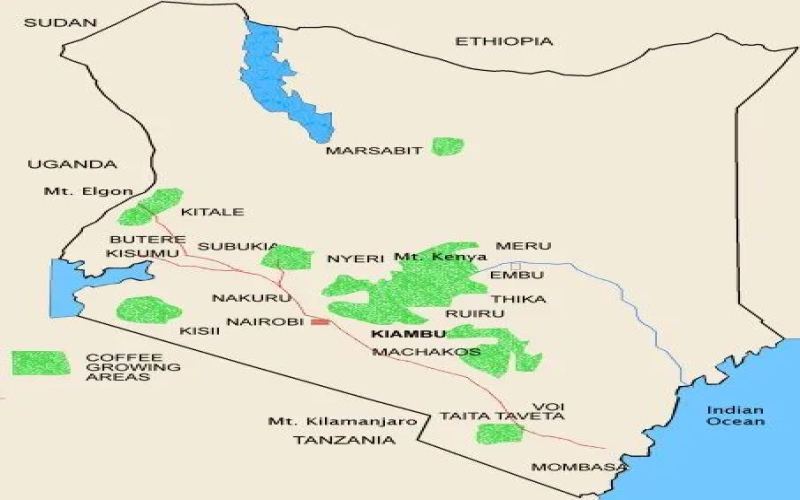
Kenya AA Grading and the K72 Washing Method: A Complete Interpretation from Variety and Region to Processing Technique
Kenya is one of the most important specialty coffee-producing countries in East Africa, where the equator, volcanic soil, and high altitude together shape its signature bright acidity and rich fruity aroma. This article systematically reviews the geographical conditions, historical context, variety composition, grading standards, K72 washed processing method, and the terroir differences of Kenya's seven major producing regions. It also combines Front Street Coffee's actual selections to introduce the flavor profiles of representative lots such as Karogoto, Hania Estate, and Asali, helping coffee enthusiasts gain a comprehensive understanding of the value system and tasting key points of Kenyan coffee. [more…]
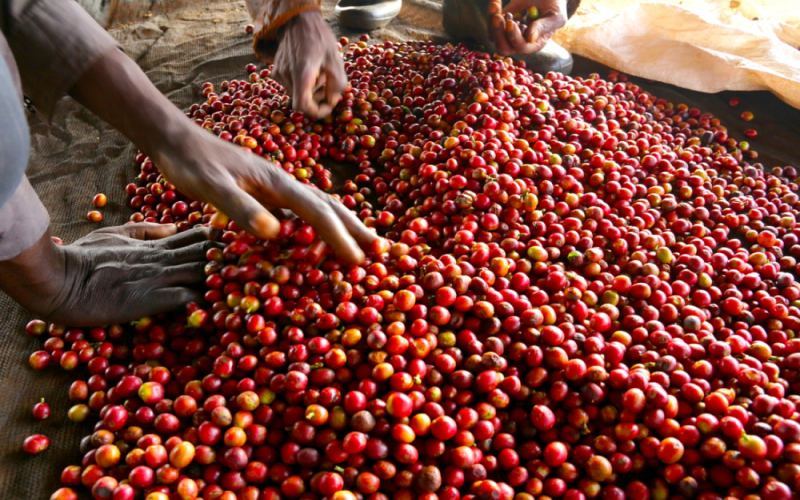
A Complete Analysis of Kenyan Coffee Regions: Geography, Terroir, Varieties, Grading, and the K72 Washing Process
Kenya is a representative producing country of East African specialty coffee, where the equator, volcanic soil, and high altitude together shape its signature bright acidity and complex flavors. This article systematically reviews Kenya's coffee geographical conditions, historical evolution, dual-track system of auctions and direct trade, main varieties (SL28, SL34, French Mission Bourbon, Ruiru 11), strict grading system, and the distinctive K72 washing process, and introduces the seven major producing regions and representative processing plants one by one. Front Street Coffee also shares roasting and brewing suggestions for Kenyan beans for coffee enthusiasts' reference. [more…]